Riverland, SA
Explore Jobs in Riverland, SA
Riverland, SA Statistics
Industry
Household
People
Employment
Services
Living and Working in Riverland
Jobs
The Riverland boasts a thriving employment landscape, with around 28,000 jobs available across various sectors. Dominated by agriculture, particularly fruits and vegetables, industries such as manufacturing and hospitality also play crucial roles. Key towns like Renmark, Berri, and Loxton serve as major employment hubs, supporting a solid job market. The region's agricultural sector employs many locals, while initiatives in tourism and retail are contributing to job growth, making it an exciting area . The job market in Riverland features a mix of full-time and part-time positions, catering to a range of skill levels. Major employers include local farms, wineries, and service industries, which create a wealth of Riverland job opportunities. Commuting between towns is generally convenient, thanks to well-maintained roads, allowing residents to easily access employment. This accessibility enhances the region's appeal, as individuals can explore various careers across Riverland's vibrant towns while enjoying a close-knit community feel.
Education
Education in Riverland is well-supported with several primary and secondary schools scattered throughout the region. Notable towns like Renmark and Loxton offer good quality educational facilities, ensuring that families have access to a range of options for their children's schooling. While there are no universities in the area, nearby regions provide opportunities for higher education, and local amenities often support lifelong learning initiatives. Parents can feel confident in the educational services available, which helps to attract families considering a move to Riverland. In addition to traditional schooling, Riverland also emphasises workforce development through vocational training and community programs. These initiatives target skills that align with local industry demands, preparing students for job opportunities that can be found throughout the region. For families, the cost-effectiveness of living in Riverland complements the educational benefits, making the transition to this rural lifestyle even more compelling.
Community
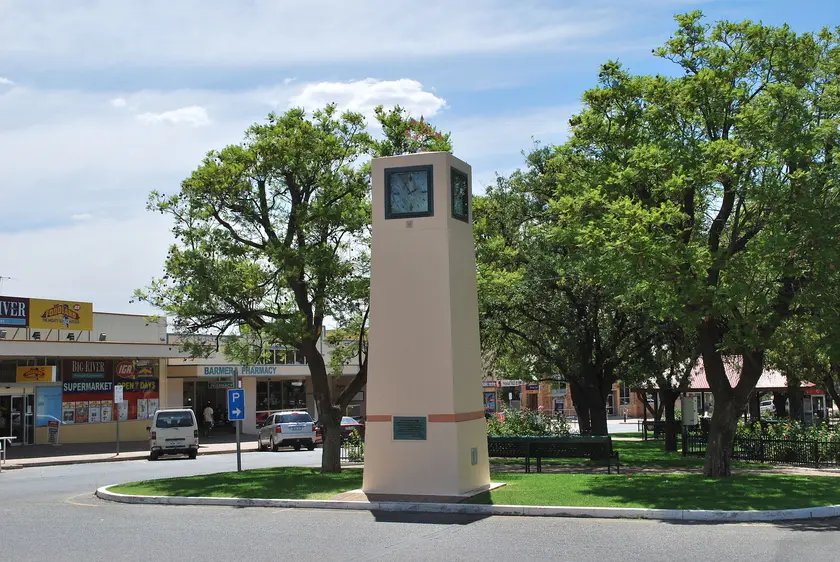
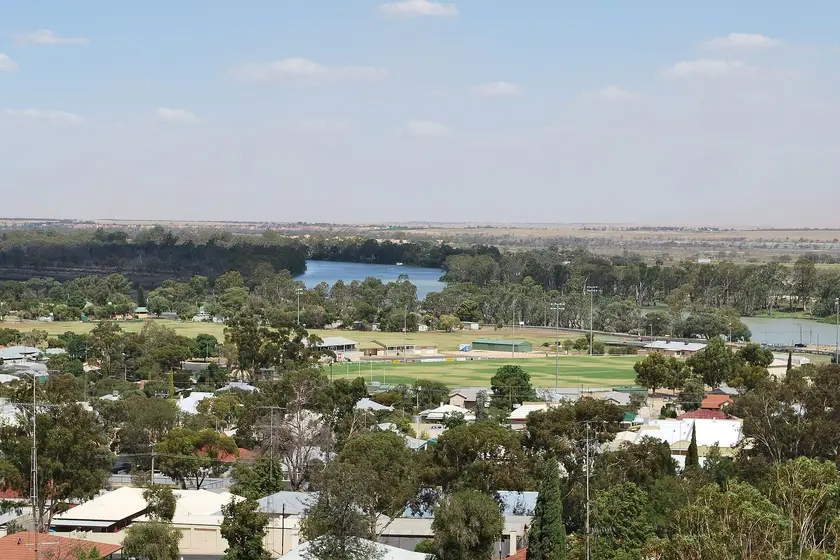
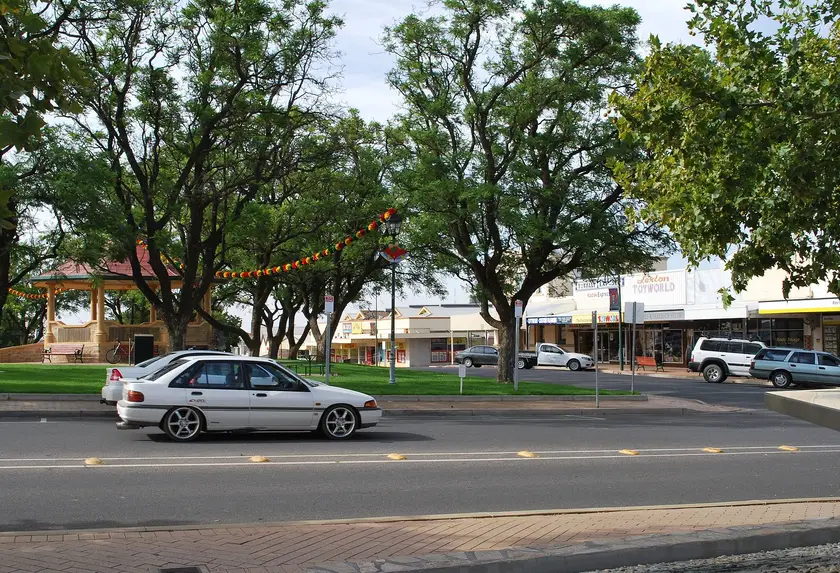
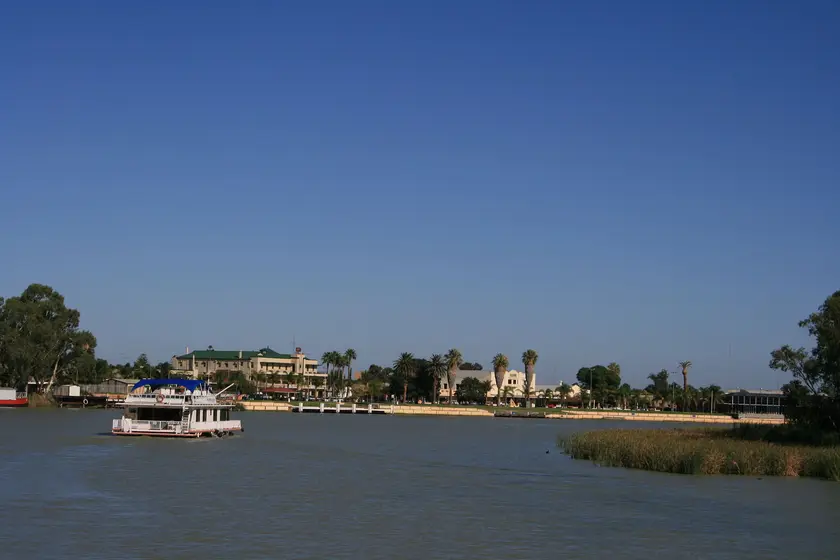
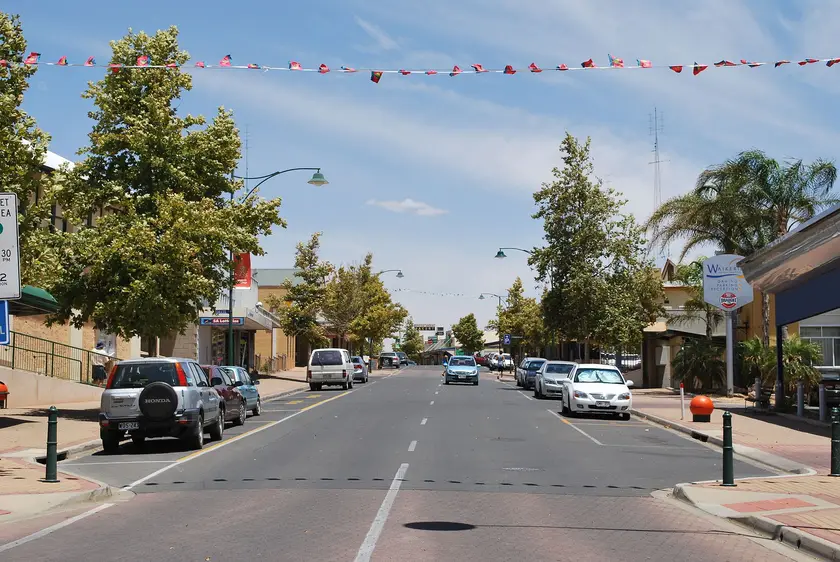
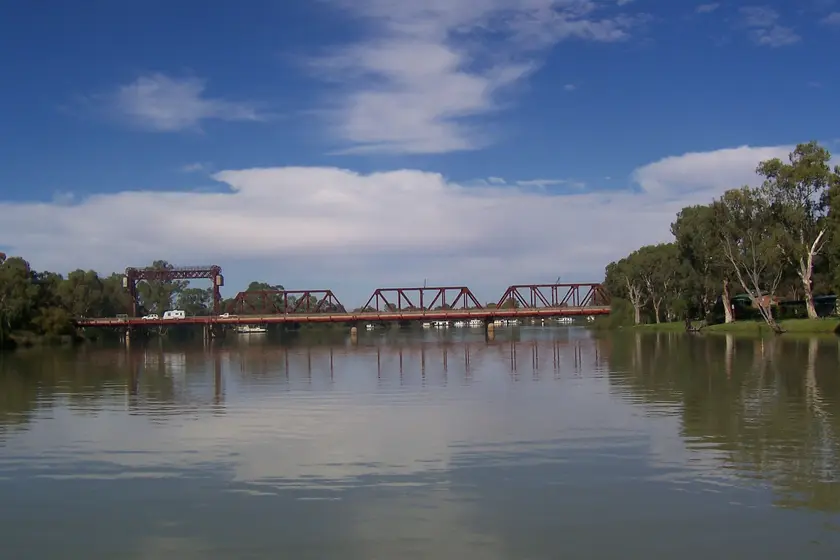
Living in Riverland provides residents with a rich sense of community and a lifestyle that emphasises outdoor activities and local culture. The region is known for its abundant orchards, which not only add to its picturesque landscapes but also contribute to community events and markets. Towns like Waikerie and Barmera offer recreational facilities such as parks, waterways, and sports clubs, providing ample opportunities for family enjoyment and social engagement. The tight-knit communities encourage friendly interactions, supporting an engaging atmosphere that fosters neighbourly connections. Riverland's community character is further enhanced by the connectivity between its ten towns. Each town has distinct qualities; for instance, Renmark is famous for its riverfront, while Berri is often associated with its thriving regional economy. Public transport facilitates accessibility across the region, enabling residents to explore the unique offerings of various towns. This interconnectedness is a hallmark of Riverland, ensuring that everyone contributes to and benefits from the vibrant community spirit.
Housing
Housing in Riverland is relatively affordable compared to larger urban areas, making it an attractive option for individuals and families. With a median weekly rent of approximately $205 and a median mortgage cost of $250, potential residents will find that their money goes further here. Various housing options are available, from standalone houses, which make up the majority of dwellings, to modest flats and shared accommodation. This diversity allows people to choose homes that best suit their lifestyle and budget. The housing stock in the Riverland has been stable, with an average household size of about two people. An increasing number of families are moving to the region, often opting for separate houses that offer space and tranquility. Recent trends show a growing interest in rental properties, driven by people seeking temporary housing while exploring job opportunities. This housing flexibility supports a dynamic lifestyle, encouraging a steady influx of newcomers looking to call Riverland home.
Opportunity to Thrive
Riverland has a myriad of career growth opportunities, largely due to its diverse industries and flourishing sectors. Agriculture remains a cornerstone, providing numerous entry-level positions while also offering avenues for advancement as the industry evolves. With ongoing investments in local infrastructure and sustainable practices, job seekers can anticipate a promising future. The presence of various farming and manufacturing enterprises also beckons individuals with specialised skills, enhancing the employment landscape. Beyond mere employment, living in Riverland promotes a balanced lifestyle that values both work and leisure. Scenic landscapes, vibrant community events, and a wealth of recreational options ensure quality living. As the region continues to develop, long-term prospects look bright for residents, making Riverland a compelling choice for those seeking to thrive in a nurturing and growth-oriented environment.