Outback NSW
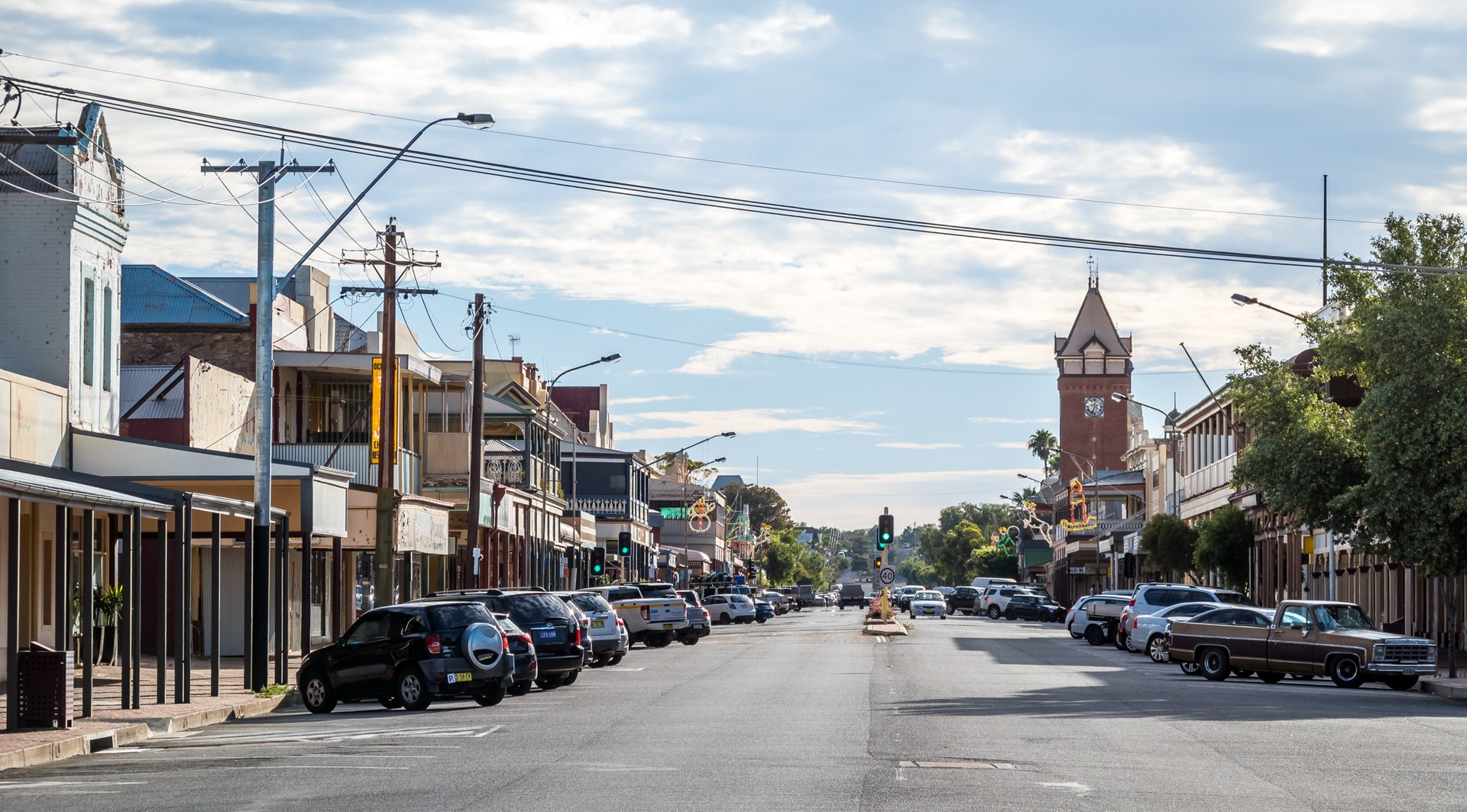
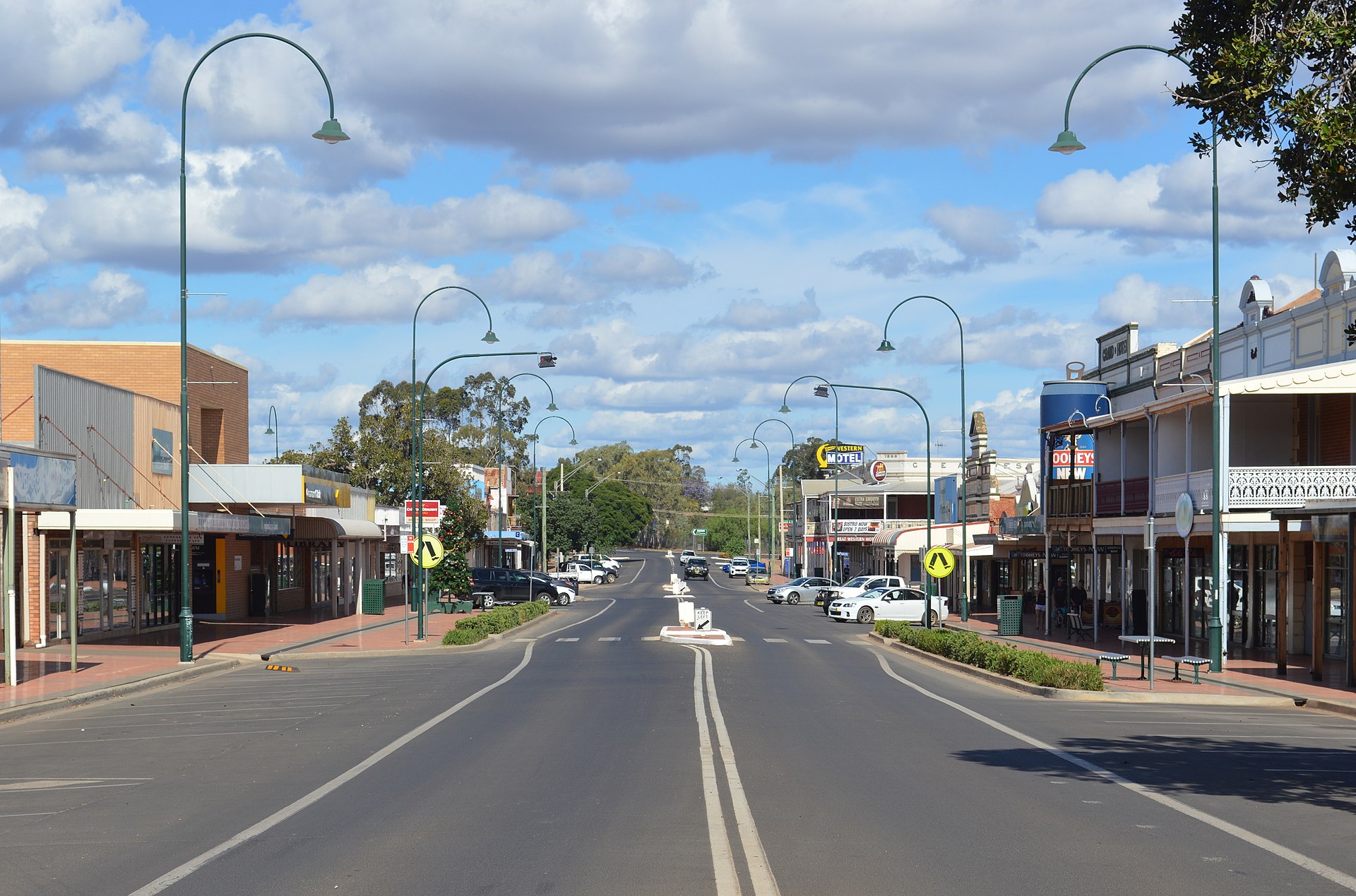
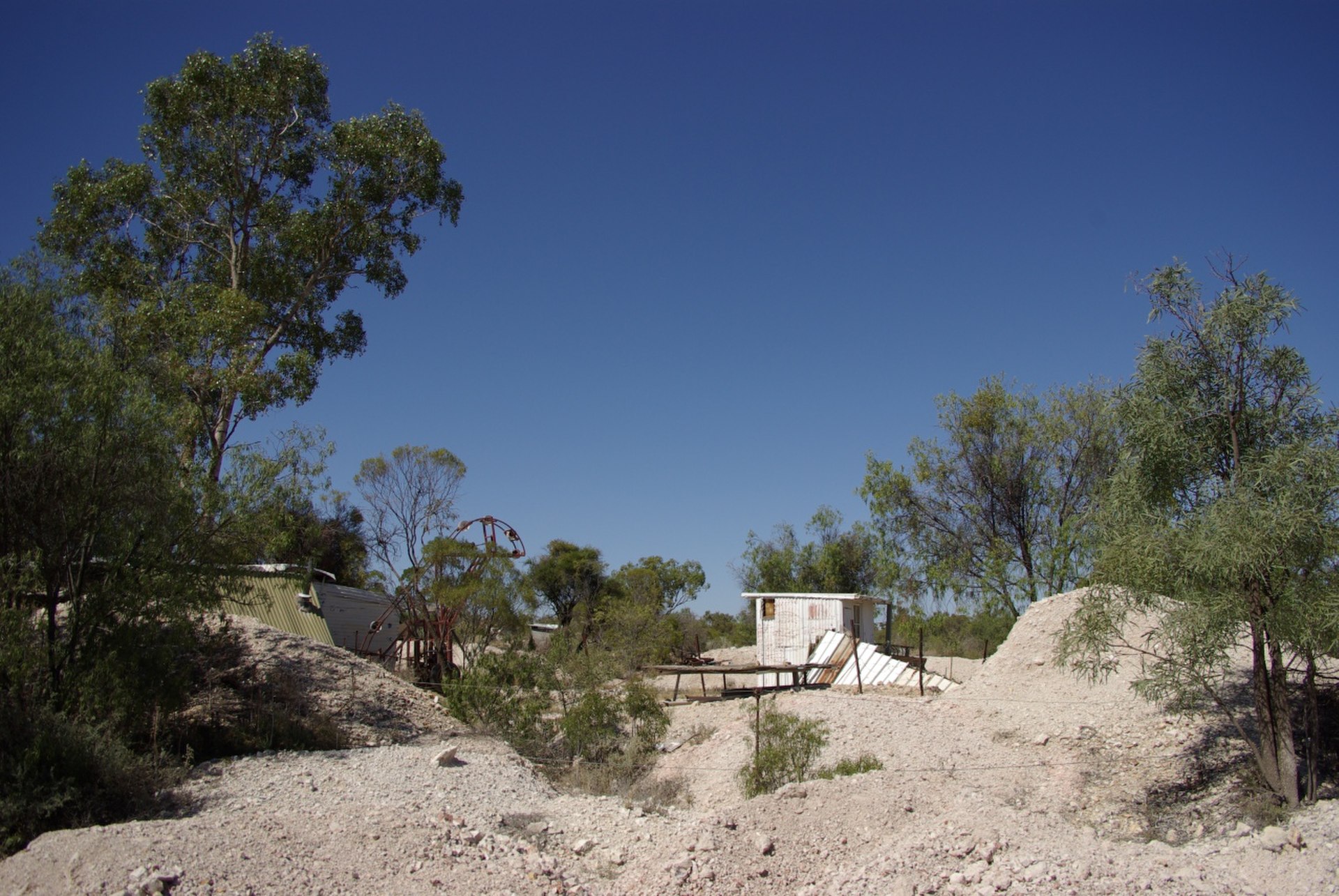
Rugged beauty & community spirit
Top Stats
State: NSW
Population of: 38304
Size: 297474.9 (Sq Kms)
Largest regional city: Broken Hill
Median rent per week: $200
Median mortgage per week: $212
Loading jobs
Outback NSW Statistics
Industry
Outback NSW boasts a vibrant business landscape with over 3,730 registered enterprises, predominantly in farming and forestry, which alone houses around 1,443 businesses. Other crucial sectors include retail, hospitality, and construction, each contributing to the regional economy.
3730
Total households
982
Num Other
97
Num Manufacturing
3
Num Telecommunications
1443
Num Farming And Forestry
93
Num Mining And Utilities
608
Num Construction And Transport
504
Num Wholesale Retail Hospitality
Household
Outback NSW is home to about 16,900 households, with an average size of two residents. Housing types are varied, including separate houses, flats, and caravans, with median rent at $200 per week and median mortgages at approximately $212.
16895
Total households
484
Num Other
2
Average household size
14749
Num Separate Houses
828
Median household income per week
200
Median rent per week
35
Num Attached To Shop
212
Median mortgage per week
426
Num Flats Or Apartments
533
Num Semi Detached With One Storey
668
Num Caravans Cabins Houseboats Tents
People
The population of Outback NSW is approximately 38,300 residents, with a median age of 42 years. The working-age demographic, comprising roughly 23,000 individuals, includes around 6,370 Aboriginal and Torres Strait Islander people, contributing to the cultural richness of the area.
42
Median age - persons (years)
38304
Estimated resident population
23256
Working age population (aged 15-64 years)
6370
Aboriginal and Torres Strait Islander peoples
Employment
With a total of nearly 28,500 jobs available in Outback NSW, residents enjoy a job-to-population ratio that reflects a solid employment landscape. The median weekly personal income stands at $671, highlighting the area's potential for financial stability.
28495
Number of jobs (no.)
671
Median weekly personal income ($)
Services
Outback NSW is equipped with essential services, featuring 12 hospitals and 12 regional airports to support community health and connectivity. However, there are currently no universities within the region, prompting some residents to consider external educational options.
12
Number of Airports
12
Number of Hospitals
0
Number of Universities
Jobs
Education
Community
Housing
Opportunity to Thrive
Jobs
Education
Community
Housing
Opportunity to Thrive
Jobs
Outback NSW features a diverse job landscape driven by key industries such as farming, retail, and hospitality, with approximately 28,500 positions available across the region. Broken Hill is the largest city, acting as a hub for employment, while towns like Bourke and Cobar also contribute significantly to local job opportunities. The job market is bolstered by a working-age population of over 23,000 residents, allowing for various job openings, particularly in sectors like agriculture and tourism, making it an attractive location to work in Outback NSW.
The Outback NSW job market is characterized by its community-oriented employers, from farming enterprises to local businesses, enabling sustained employment opportunities. Job seekers can benefit from a lower cost of living, and efficient commuting options exist between towns. With a median weekly income of around $671, residents can enjoy a comfortable lifestyle. Moreover, the connection between towns eases access to various employment opportunities, making relocating to Outback NSW a practical choice for many.
Education
Education in Outback NSW is supported by both public and private institutions, catering to the needs of families in the region. Each key town, including Broken Hill, Cobar, and Bourke, has educational options from primary to secondary schools, though options for tertiary education are limited. As the region lacks universities, some residents seek remote learning opportunities or travel to larger cities for higher education. This focus on foundational education is crucial for developing a skilled workforce ready for local industry demands.
Workforce development is enhancing skills and capabilities to prepare the younger population for future job markets. Government initiatives and local organisations provide training programs aimed at equipping individuals with the necessary skills for sustainable employment. Families will appreciate the nurturing community atmosphere that promotes both academic achievement and personal growth, reinforcing the appeal of living in Outback NSW.
Community
Living in Outback NSW has a distinct lifestyle enriched by strong community ties and a unique cultural experience. The region is known for its rugged beauty, showcasing vast landscapes, wildlife, and rich Aboriginal heritage. Residents enjoy a friendly atmosphere with numerous local events and festivals held throughout the year, fostering connections among community members. Each town has its unique character, from Broken Hill's artistic flair to Bourke's focus on agriculture and trade.
Connectivity between towns plays a vital role in community life, making it easy for residents to travel for both work and leisure. The Outback NSW region is well-serviced with essential amenities, including shopping centres, recreational facilities, and community centres. Furthermore, residents can benefit from local clubs and groups that promote an active lifestyle, allowing for various social activities that enhance the communal spirit found across Outback NSW.
Housing
Housing in Outback NSW has diverse options at affordable price points, accommodating various preferences for both owners and renters. With a median rent of approximately $200 per week and a median mortgage cost of about $212, securing accommodation is relatively accessible compared to larger urban centres. The region predominantly features separate houses, with over 14,700 properties available, which supports family-oriented living and delivers ample space for personalisation.
Additionally, the rental market caters to different lifestyles, including options for flats and caravans. The average household size is two people, allowing for diverse living arrangements across different communities. With housing trends reflecting growing interest in regional living, those looking to move to Outback NSW find a welcoming environment that encourages long-term residence.
Opportunity to Thrive
Outback NSW represents a range of career growth and industry diversity, providing numerous opportunities . Agriculture remains the cornerstone of the economy while other sectors, such as mining and retail, also play significant roles in providing employment. Residents are encouraged to pursue professional development with local training programs tailored to industry needs, ensuring a solid workforce ready to adapt to market changes.
The lifestyle balance in Outback NSW enables a tranquil and fulfilling environment, allowing individuals to thrive both personally and professionally. With a strong sense of community and ample recreational options, residents enjoy the benefits of rural living while still having access to meaningful employment opportunities. Long-term prospects look promising as the region continues to attract newcomers interested in contributing to the local economy.